The Best Educational Learning Games in Bangalore – And Why MAD Labs Wins
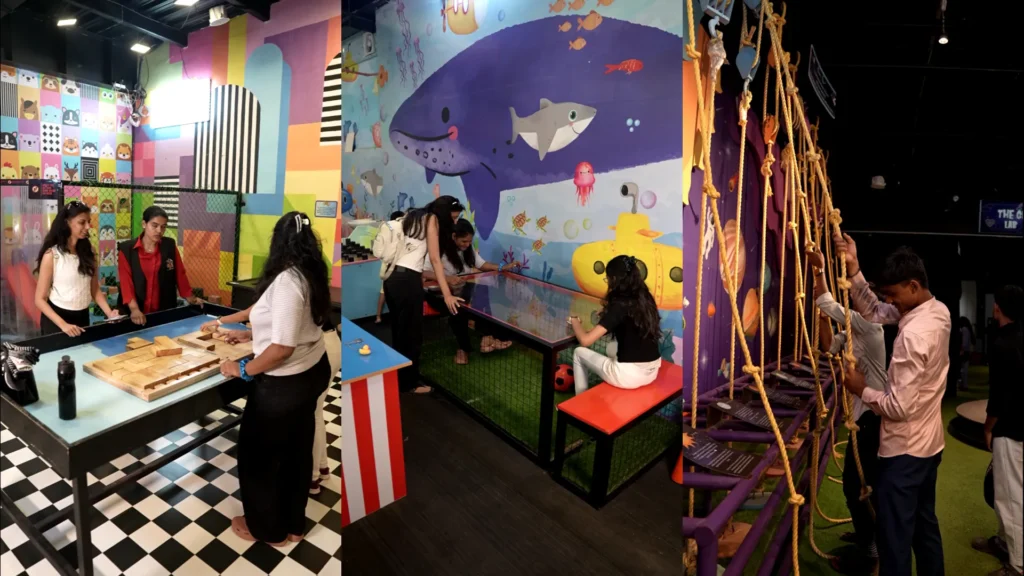
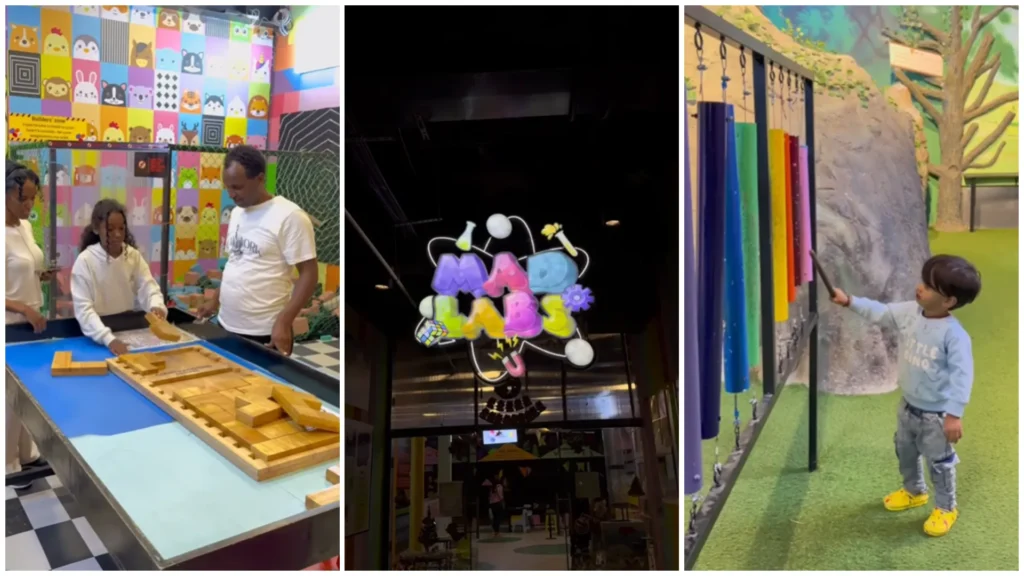
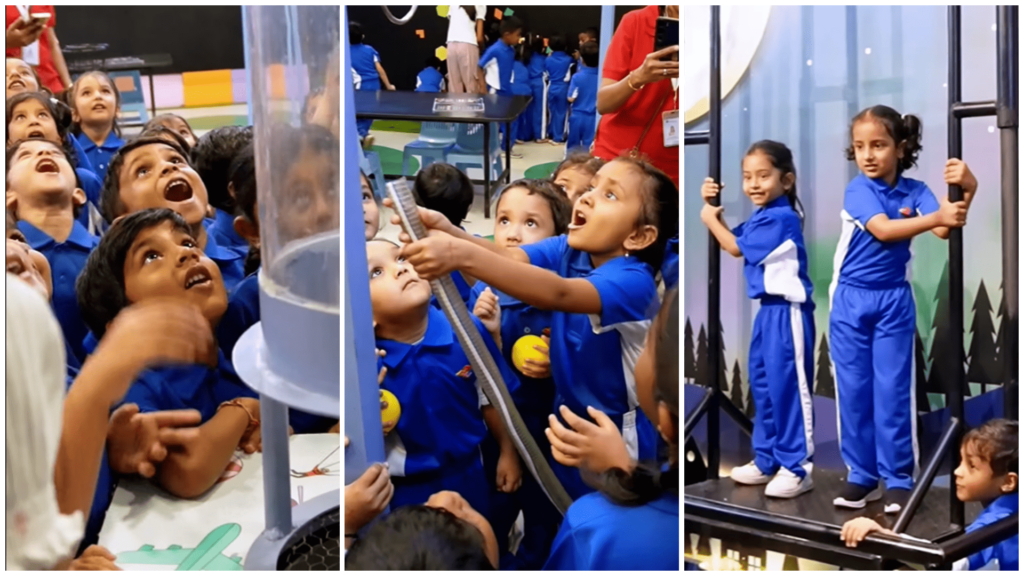
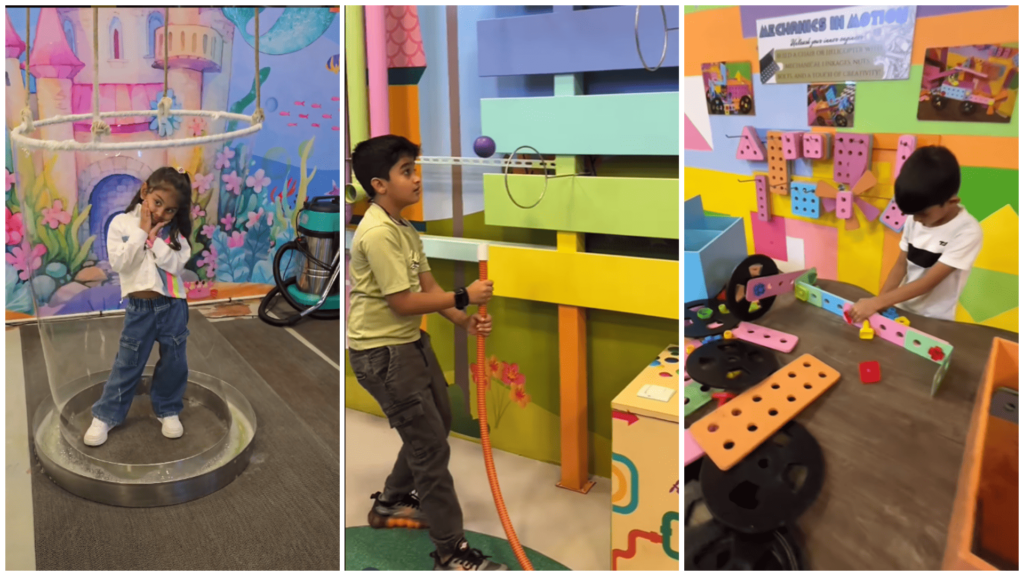
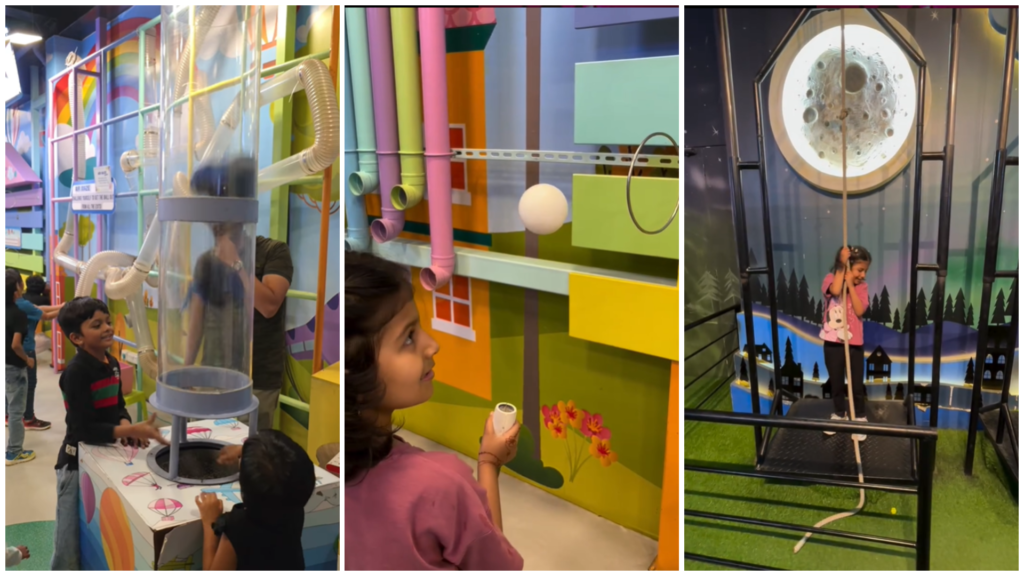
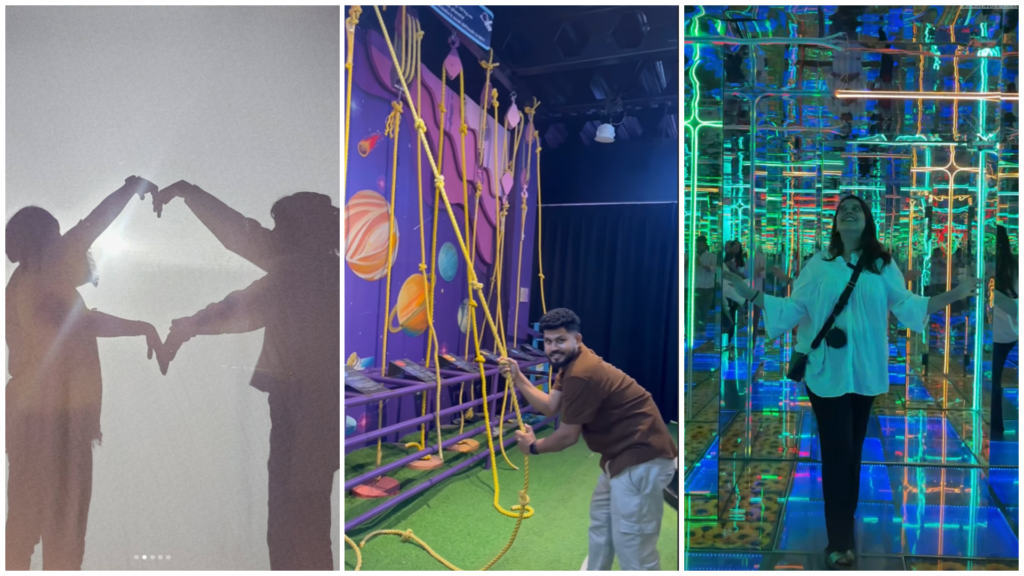
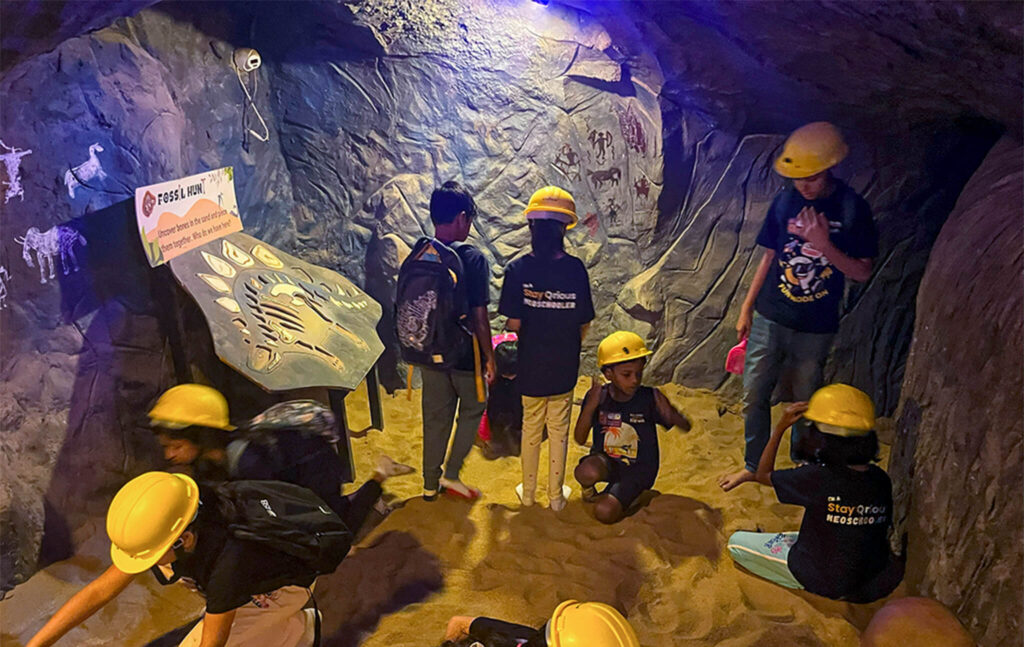
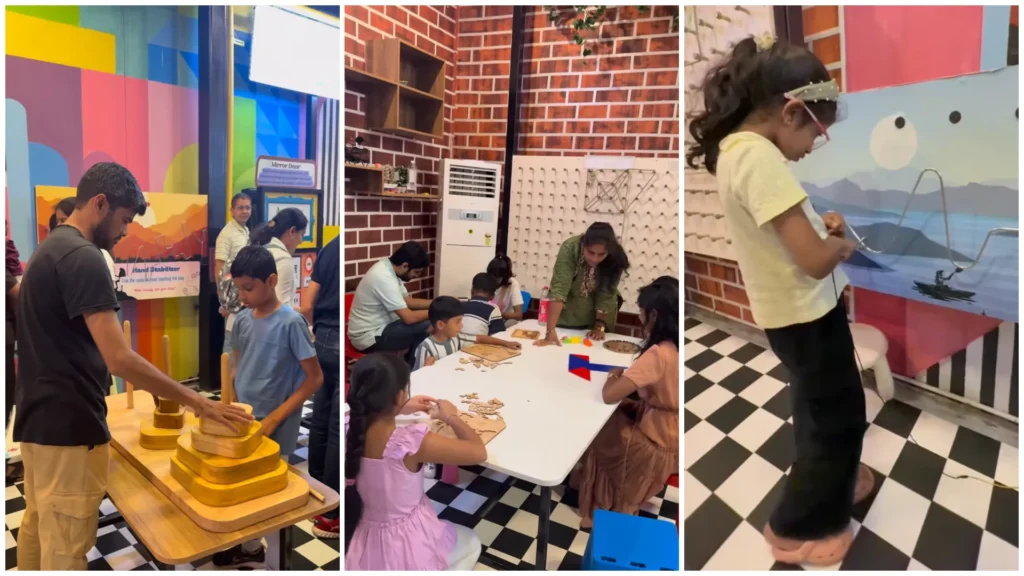
The Best Educational Learning Games in Bangalore – And Why MAD Labs Wins Finding genuinely effective educational learning games for kids in Bangalore is harder than it sounds. The market is saturated with apps that dress up repetitive exercises in reward animations, and play zones that entertain without challenging. Parents and educators want something different: games that require actual thinking, build real skills, and still feel fun enough that a child wants to stay for hours. MAD Labs, located on the 1st floor of Snow City, Jayamahal Main Road, J.C. Nagar, is built around this exact premise. Its 30+ interactive exhibits function as physical educational learning games – but without the screen, the timer, or the passive reward loop. Children engage through touch, movement, and problem-solving. The learning happens because the engagement is genuine. This guide explains what makes educational learning games actually work, which cognitive skills they should develop, and how MAD Labs delivers on all of them in a format that works for families, schools, and group visits alike. What Actually Makes an Educational Learning Game Effective? Not every game marketed as ‘educational’ actually develops thinking skills. The distinction lies in whether the game demands active problem-solving or simply rewards pattern completion. The most effective educational games share four specific characteristics: MAD Labs was designed with all four criteria in mind. Developed by IISc PhD scientists, its exhibits are not repurposed amusement rides – they are structured educational learning games built around applied physics, biology, and systems thinking. Why Hands-On Beats Screen-Based Educational Learning Games The dominance of app-based learning tools has created a misconception: that engagement equals learning. A child can spend an hour on a learning app and emerge having mainly improved their reward-retrieval speed. The thinking required is shallow, and the retention is lower than hands-on engagement produces. Here’s how different learning formats compare: Learning Format Engagement Level Retention Rate Screen Dependency Problem-Solving Traditional classroom games Moderate Moderate Low Structured App-based learning games High (short-term) Low–Moderate High Guided MAD Labs interactive exhibits Very High High Zero Open-ended Textbook exercises Low Low None Linear Hands-on physical interaction activates multiple brain regions simultaneously – spatial reasoning, motor memory, and analytical processing all engage when a child physically manipulates a real-world challenge. This is why parents consistently report that children remember what they experienced at MAD Labs long after the visit, and often try to recreate the concepts at home. MAD Labs Exhibit Guide: Educational Learning Games by Skill Area Each MAD Labs exhibit targets specific cognitive and scientific skills. This table maps the educational learning games available at MAD Labs to the skills they develop and the age groups that benefit most: MAD Labs Exhibit Skill Developed Age Range Learning Outcome Thermal Paint Wall Observation, Hypothesis Testing 5–14 Heat energy, cause-and-effect reasoning Shadow Talkies Spatial Reasoning, Creativity 5–12 Light behaviour, geometry of shadows Parachute Challenge Physics Application 7–14 Air resistance, gravity, material properties Jump Challenge Measurement & Data 6–14 Force, data comparison, physical science Hand Stabilizer Game Precision, Focus 7–adults Motor control, nervous system concepts Aqua Spinners Fluid Dynamics 5–12 Water flow, rotational energy, observation Bubble Zone Chemistry & Geometry 4–10 Surface tension, film properties, shapes How MAD Labs Builds Critical Thinking Through Play Critical thinking doesn’t develop through instruction alone – it develops through repeated cycles of attempting, failing, adjusting, and succeeding. MAD Labs is structured to create exactly this cycle across every exhibit. The MAD Labs Problem-Solving Loop This loop is the foundation of scientific thinking. When students move through it naturally – because the exhibit is compelling enough to hold their attention – the cognitive benefit is significant. Teachers and parents frequently observe that even reluctant learners stay deeply engaged at MAD Labs. For Families: Using MAD Labs as a Weekend Educational Learning Game Space Parents in Bangalore searching for educational learning games that work without devices face a specific challenge: most options either feel too academic (and children resist) or too passive (and the learning is minimal). MAD Labs solves both problems. Children experience the exhibits as a play space – not a classroom. There are no worksheets, no assessments, no guided instructions. But the thinking required to engage with the exhibits is real. A child spending two hours at MAD Labs is solving spatial challenges, testing physical hypotheses, and developing observation skills – without realizing they’re doing any of it intentionally. Recommended Family Visit Plan Key Takeaways Experience the Best Educational Learning Games in Bangalore MAD Labs is open daily, 10 AM to 8 PM. Whether you’re a parent planning a weekend outing, a school coordinator looking for a meaningful educational learning games destination, or an educator wanting hands-on STEM engagement, the experience is ready. 📍 1st Floor, Snow City, Jayamahal Main Rd, Opp. TV Tower, J.C. Nagar, Bengaluru – 560006 📞 +91 70226 67669 🎟 Book Tickets: https://themadlabs.in/ticket-booking/ FAQs: Educational Learning Games at MAD Labs, Bangalore1. What are the best educational learning games for kids in Bangalore?MAD Labs at Snow City, Jayamahal Main Road offers some of the most effective educational learning games in Bangalore. Exhibits like the Thermal Paint Wall, Parachute Challenge, and Aqua Spinners develop critical thinking, problem-solving, and observation skills through physical interaction rather than screens.2. Are educational learning games at MAD Labs suitable for all age groups?Yes. MAD Labs is designed for ages 4 and above, with exhibits that scale in complexity. Younger children explore sensory and kinetic concepts; older students can apply formal physics, biology, and systems thinking to the same exhibits.3. How are MAD Labs educational games different from screen-based learning apps?Screen-based apps engage through visuals and rewards – but require no physical interaction. MAD Labs exhibits demand hands-on engagement: students push, measure, build, and adjust. This physical participation produces stronger retention and real problem-solving development.4. Can families visit MAD Labs for educational learning games on weekends?Yes. MAD Labs is open daily 10 AM to 8 PM at 1st Floor, Snow City, Jayamahal Main Rd, JC Nagar, Bengaluru. Weekend visits combine MAD Labs interactive