
Experiential Field Trips 2025: Learning by Doing at MAD Labs
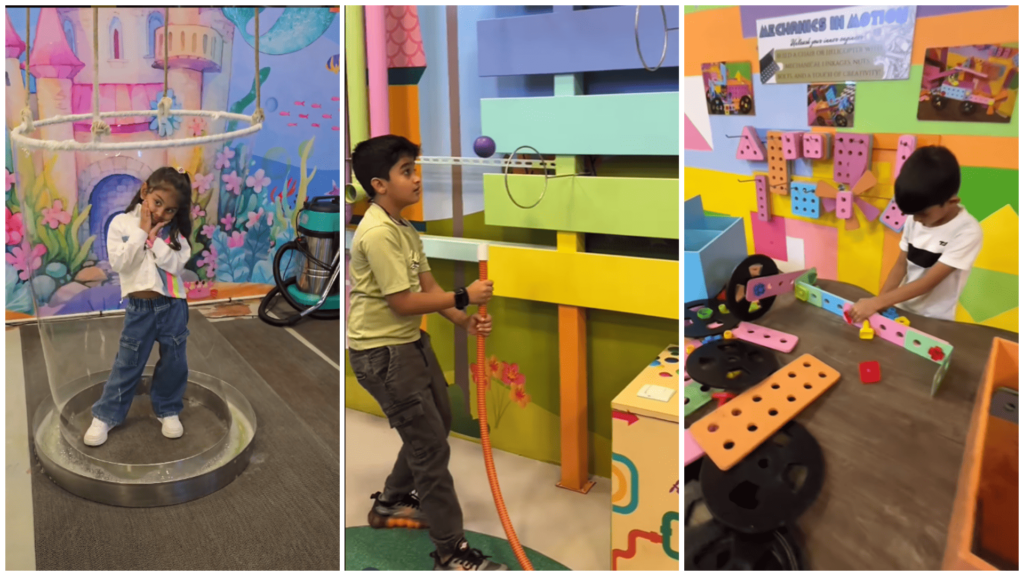
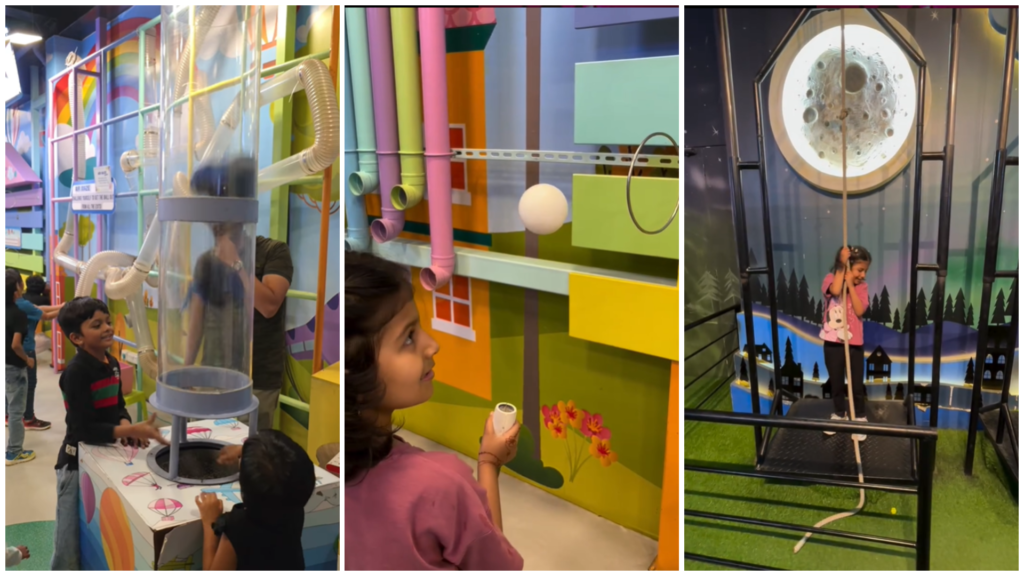
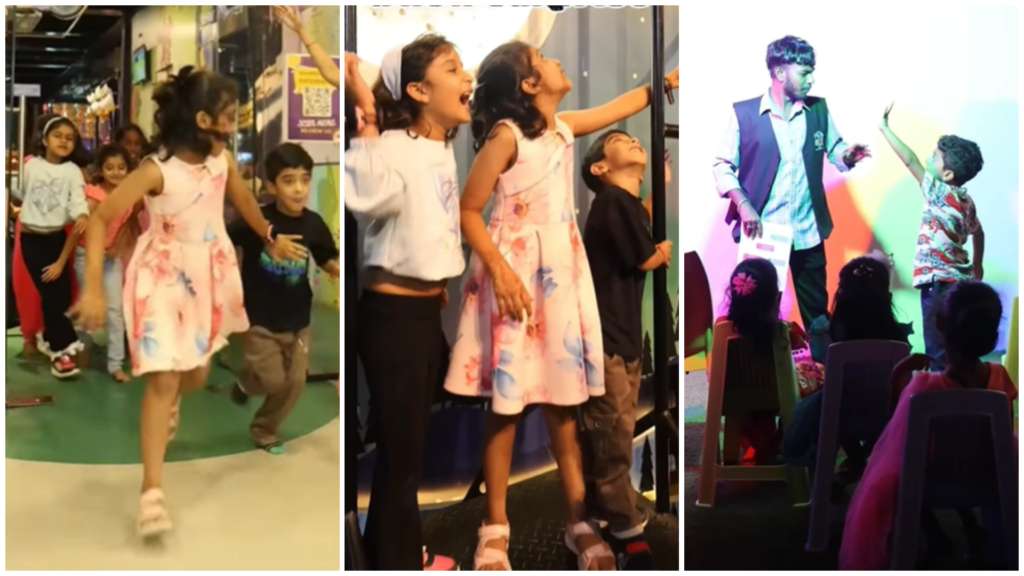
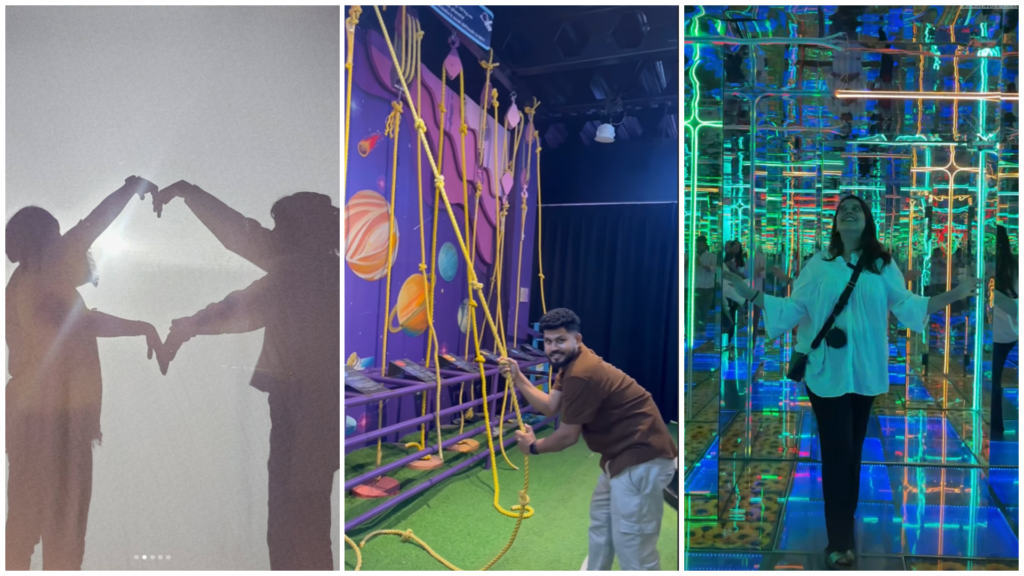
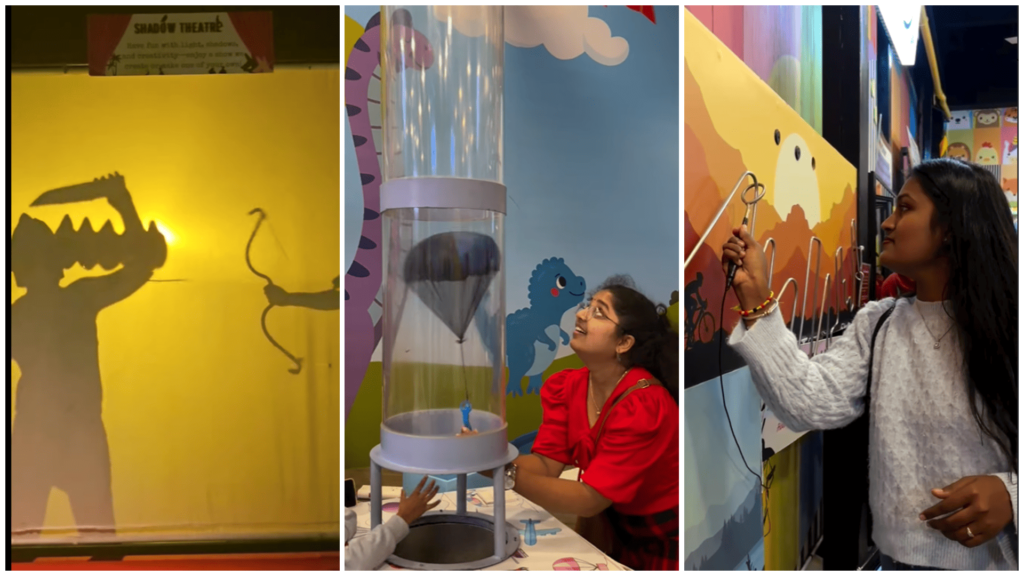
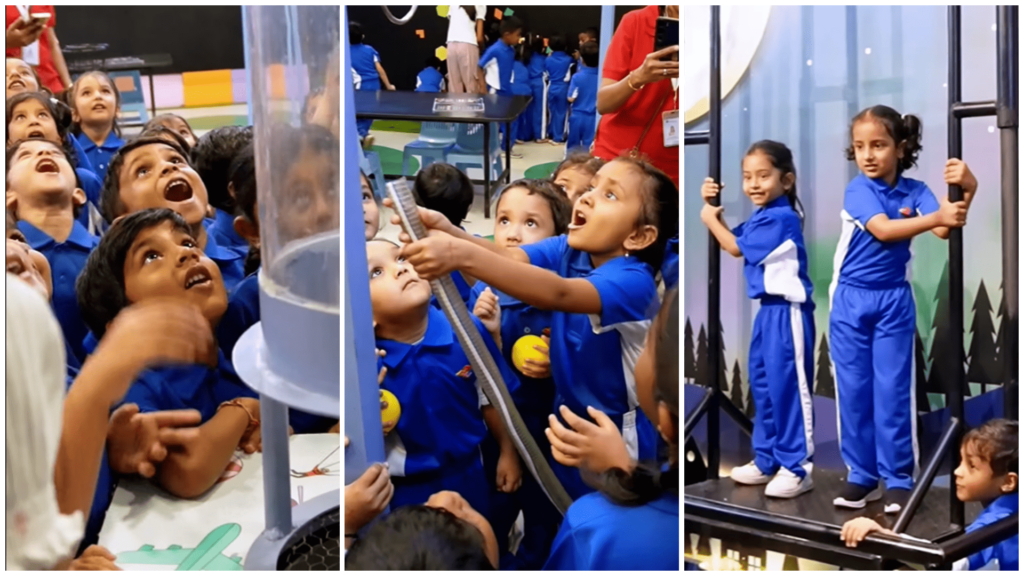
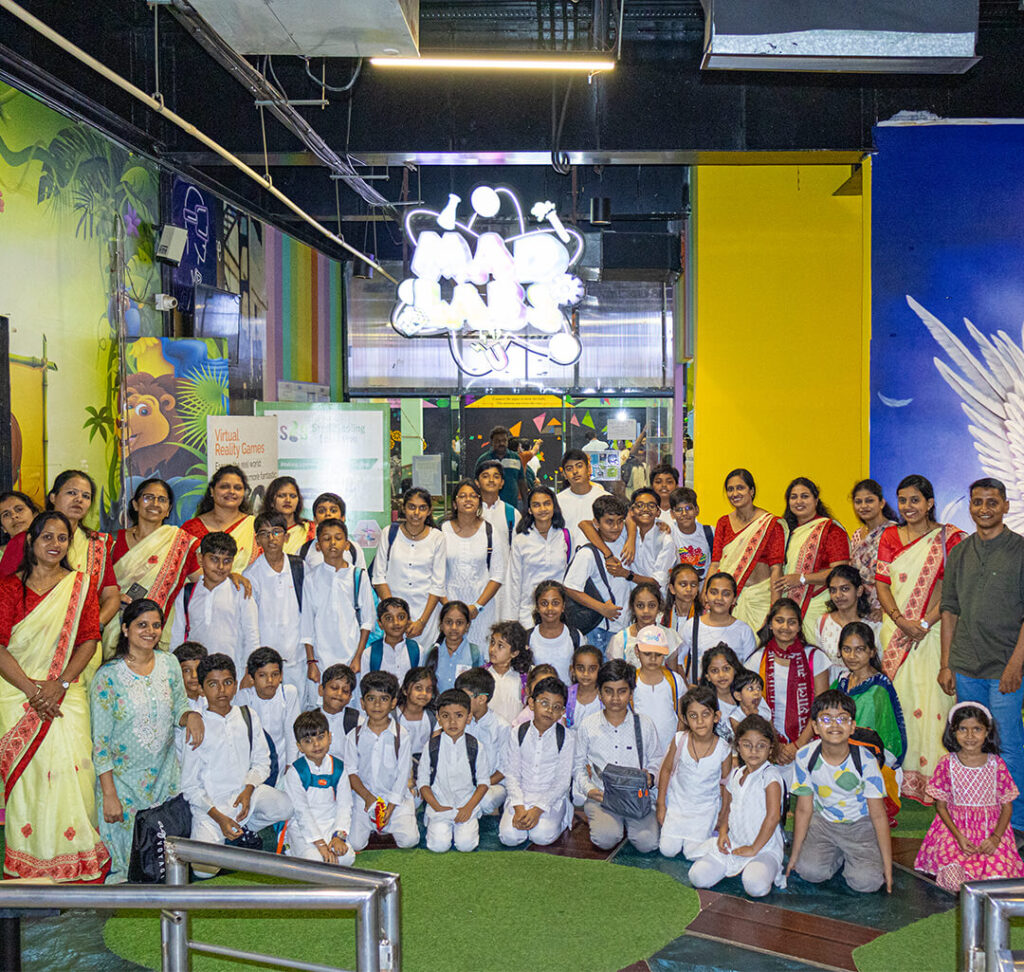
Field Trips in 2025: Moving From Passive Tours to Active Discovery The Classroom Divide: Observation vs. Discovery Picture this: two classrooms, two very different days. In one, students sit in rows as the teacher plays a video about the solar system. In the other, students are at MAD Labs in Bangalore, watching their own shadows dance in light tunnels, experimenting with air pressure, and laughing as bubbles the size of their heads float above them. Both are called field trips, but only one truly transforms how students learn. The question every educator is now asking: Do traditional field trips still engage students in meaningful ways, or have experiential field trips redefined what learning outside the classroom should look like? In 2025, when engagement and attention spans are at a premium, this comparison matters more than ever. While both styles promise educational value, the difference lies in depth – between memorizing and experiencing, between observation and participation, between knowing and understanding. Welcome to the evolution of learning beyond walls – where hands-on education, student engagement, and real-world learning take center stage. The Traditional Field Trip Experience: Structured but Static You remember it – the early-morning bus rides, packed lunches, teachers counting heads, and a hurried guide walking students through a museum or historical site. These traditional school field trips are classics for a reason. They provide exposure, a sense of adventure, and a break from routine. But while these educational field trips tick the box for experience, they often fall short on impact. Students listen more than they interact. They watch, they note, they move on. It’s learning by observation – what educators call passive learning. Whether it’s a museum, zoo, or heritage site, students tend to absorb facts momentarily, only to forget them soon after. Research shows that students retain less than 20% of information from guided lectures or tours. Despite being outdoors, these field trips often replicate the same limitations as the classroom: one-way communication and minimal interaction. After the Bus Ride: What Really Sticks Ask students a week later what they remember from those outdoor field trips, and the answers are telling: “The bus ride,” “The cafeteria,” “That funny guide.” Teachers nod knowingly. While excitement spikes initially, retention drops quickly. The challenge lies in connection. How do educators tie those experiences back to the curriculum? Most admit it’s difficult. Facts are consumed but not internalized. Curiosity fades when students can’t apply what they’ve seen. It’s the difference between seeing knowledge and doing knowledge. That’s where the modern experiential model comes in – a shift from traditional exposure to interactive understanding. The Experiential Field Trip: Learning by Doing At MAD Labs in JC Nagar, Bangalore, experiential field trips look nothing like their traditional counterparts. Instead of standing in lines, students dive straight into play zones designed for discovery. They lift themselves using pulleys in the Space Lab, experiment with light in the Glo Lab, and test balance and focus in the Wobble Lab. Each activity turns abstract science into something they can touch, test, and remember. This hands-on format keeps students engaged for hours, making learning feel like an adventure. The STEM field trips model encourages active participation, critical thinking, and curiosity building – key skills that extend beyond school walls. Every experiment becomes a story, every challenge a personal discovery. At MAD Labs, experiential learning isn’t about delivering facts; it’s about sparking questions. And that difference changes everything. Measuring the Difference: Engagement vs. Retention Traditional Field Trips: Experiential Field Trips: When students physically engage with concepts – like air resistance, energy transfer, or reflection – they remember them. Research suggests hands-on education boosts retention by 70–80% compared to passive observation. Teachers from Bangalore schools visiting MAD Labs report that post-trip classroom participation improves noticeably. This is real-world learning in action – students aren’t told what to think; they discover why things happen. A Tale of Two Field Trips Scenario One: The Traditional Museum VisitStudents board the bus at 8 AM, spend hours on travel, and finally arrive at a museum. A guide leads them through exhibits filled with plaques and timelines. Students scribble notes, whisper among themselves, and later recall a few facts. The experience fades as soon as the next test appears. Scenario Two: A Day at MAD LabsStudents arrive at 9 AM, 15 minutes from school. After a short orientation, they split into small groups – one heads to Bubble Bliss, another to Puzzle Lab, others to Air Lab. Laughter, collaboration, and experimentation fill the air. Teachers walk around observing natural learning moments: problem-solving, teamwork, creativity. A week later, students still discuss how their hands lit up at the Glo Globe or how pulleys made them feel weightless. That’s retention in motion. The difference? One is about exposure. The other is about experience. Why Educators Are Shifting to Experiential Trips For schools, modern field trip planning isn’t just about logistics anymore. It’s about measurable outcomes – engagement, understanding, and enthusiasm. STEM field trips for kids in Bangalore like MAD Labs check every box: Teachers consistently highlight three results: improved curiosity, higher participation, and long-term knowledge retention. In short – experiential field trips don’t just entertain; they educate. The Future of Educational Outings In 2025 and beyond, field trips are no longer about ticking the “outdoor learning” box. They’re about meaningful engagement, real discovery, and emotional connection. Traditional tours may introduce ideas, but experiential field trips ignite them. As one Bangalore educator put it, “After MAD Labs, my students didn’t just learn – they questioned, experimented, and wanted to know more.” If you’re an educator or parent planning your next outing, think beyond the brochure. Choose venues where discovery-based learning, hands-on education, and student curiosity thrive. Plan your school’s next experiential field trip at MAD Labs, inside Snow City, Bangalore – where learning meets fascination. FAQs 1. What age groups can attend field trips at MAD Labs?MAD Labs welcomes students from elementary to high school levels. Each zone is tailored to suit different ages, ensuring both