Activities for Kids in 2025: The Rise of Educational Learning Games-Based Play
It’s 3 PM on a Saturday, and your child is tugging at your sleeve, asking for the hundredth time, “What can I do?” You scroll through suggestions for activities for kids – from art classes to amusement centers – but something feels off. You want your child to have fun, yes, but also to learn, grow, and stay curious. The problem? Most activities for kids seem to swing between mindless entertainment and rigid instruction.
But what if there was a way to bridge both? What if your child could play and learn at the same time? That’s where educational learning games come in – the new era of play designed to combine excitement with evidence-based learning. Research increasingly shows that the best activities for kids are those that merge joy with knowledge, where fun becomes the foundation of deeper understanding.
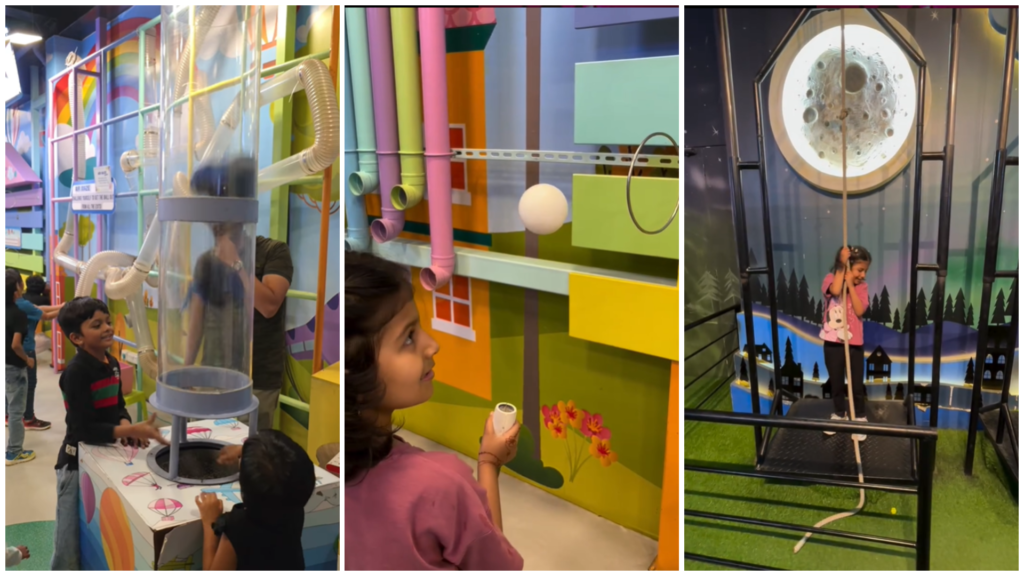
At MAD Labs in Bangalore, this concept isn’t theory – it’s reality. Here, every activity, every challenge, and every laugh hides a lesson in science, creativity, and critical thinking.
Why Traditional Activities for Kids Miss the Mark
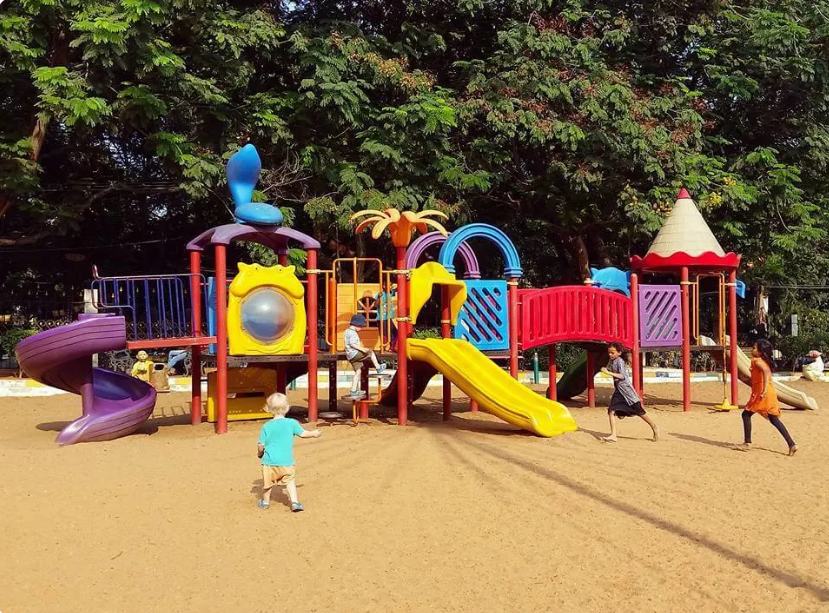
Parents have been trying to balance fun and education for years. From painting workshops to dance classes, traditional activities for kids serve a purpose – they keep children occupied and social. But when it comes to measurable learning outcomes, research paints a different story.
Studies show that passive learning – like watching demonstrations or listening to lectures – leads to lesser knowledge retention. In contrast, interactive educational learning games can raise retention. Students in active, hands-on environments perform better on tests compared to those in traditional setups.
Why? Because most activities for kids lack three essential ingredients: feedback, challenge, and intrinsic motivation. When kids aren’t challenged or rewarded for progress, their attention fades quickly. Educational learning games solve this by design – they reward curiosity, not compliance.
At MAD Labs, you can see this shift firsthand. The difference between watching a science experiment and performing one is the difference between observing learning and living it.

What Makes Educational Learning Games Different
Traditional activities for kids focus on external structure – a schedule, a task, a teacher’s instruction. Educational learning games flip the script by focusing on internal motivation. They are rooted in neuroscience, leveraging how the brain learns best: through play, repetition, and reward.
The key components that make these games transformative include:
- Clear Learning Objectives: Every game targets a skill – whether that’s logic, spatial reasoning, or STEM principles.
- Adaptive Difficulty: The challenge scales with the child’s ability, maintaining engagement without frustration.
- Immediate Feedback: Mistakes aren’t failures; they’re learning cues.
- Intrinsic Motivation: The thrill of progress keeps kids coming back.
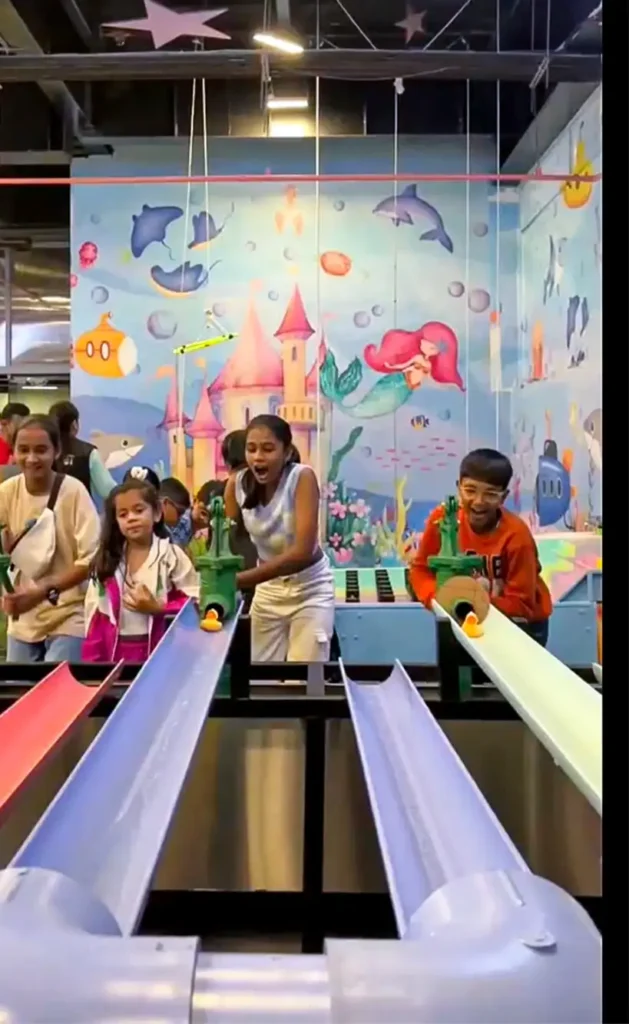
Neuroscientists call this the “flow state” – when children lose track of time because their minds are fully engaged. At MAD Labs, this happens daily. Whether it’s building water circuits in Hydro Lab or experimenting with light at Loony Lights, educational learning games make abstract concepts tangible and thrilling.
Unlike typical activities for kids, these games don’t separate fun from learning – they make them inseparable.
From Playtime to Brain Time: The Real-World Impact
Before: A child doing crafts at home, easily distracted after ten minutes.
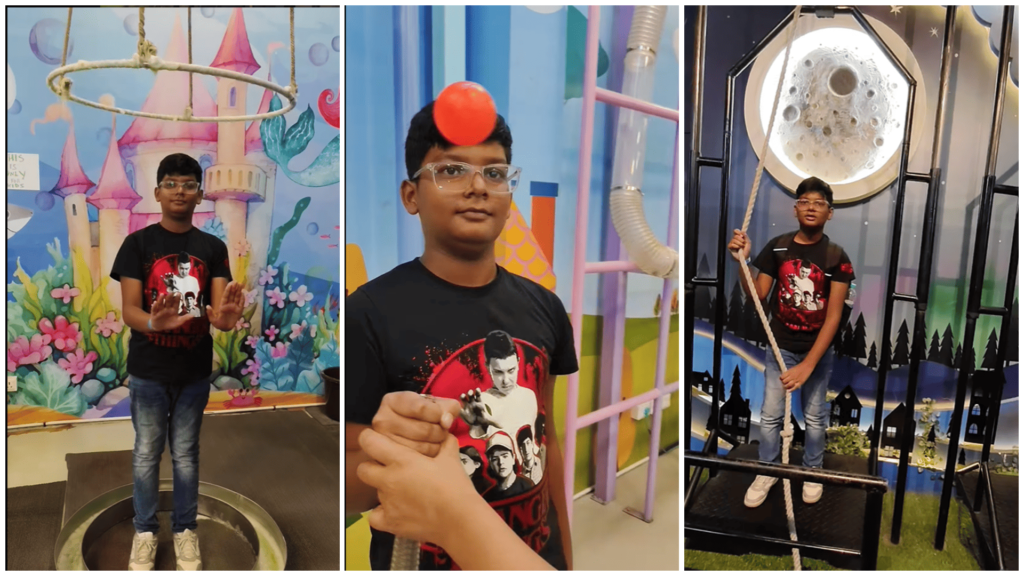
During: The same child at MAD Labs, focused for hours on balancing air pressure or solving puzzles in the Wobble Lab.
After: That child now approaches school projects with confidence – experimenting, hypothesizing, and persisting.
That’s the power of educational learning games. Research shows that children exposed to hands-on learning experiences perform 25–30% better in science and math. But the impact doesn’t stop at academics. These kids also show stronger collaboration, creativity, and resilience – traits that define success in life, not just school.
Teachers frequently observe that students who engage with game-based learning activities ask more insightful questions and show improved persistence. Parents notice a transformation too: their children don’t view learning as a chore but as a challenge worth tackling.
At MAD Labs, this happens every day. From the Puzzle Lab to the Space Lab, these interactive activities for kids inspire problem-solving, teamwork, and curiosity – all while being undeniably fun.

Activities for Kids by Age: Learning That Grows With Them
Ages 3–5:
At this stage, curiosity is boundless. The best activities for kids emphasize sensory exploration and cause-and-effect learning. MAD Labs’ Kiddies Lab allows toddlers to experiment with textures, bubbles, and mirrors – educational learning games designed to develop early motor skills and pattern recognition.
Ages 6–9:
Here, logical thinking begins to bloom. Kids engage with STEM activities and games like the Hydro Lab or Puzzle Lab, discovering physics and problem-solving through play. These hands-on learning activities build confidence and early science literacy.
Ages 10+:
Older children crave challenge and purpose. Advanced zones like Space Lab and X-Cave introduce engineering and teamwork. These educational learning games simulate real-world problem-solving, turning abstract concepts into memorable experiences.
Each level offers activities for kids that adapt to their developmental needs – a seamless blend of exploration and structured discovery.
Why Parents and Educators Choose Game-Based Activities
The shift toward educational learning games isn’t just a trend – it’s a movement driven by results. Parents love that these experiences are weather-proof, inclusive, and deeply engaging. Teachers love that they align with classroom objectives and demonstrate measurable learning outcomes.
Key benefits include:
- Efficiency: One activity achieves multiple learning goals.
- Inclusivity: Every child can participate at their level.
- Engagement: Kids don’t just attend – they immerse.
- Retention: Learning that lasts far beyond the session.
Schools across Bangalore are now incorporating activities for kids like those at MAD Labs into their field trip programs, citing higher engagement and improved teamwork. Families appreciate that every visit feels like a mini adventure – one that sparks curiosity long after leaving.
Common Parent Questions – Answered
Is this just more screen time?
Not at all. MAD Labs’ educational learning games are screen-free. Children interact with real-world experiments, not apps or digital interfaces. They touch, build, and explore – the essence of true hands-on education.
What makes these games educational?
Every zone has clear learning goals tied to STEM, creativity, and problem-solving. Feedback is instant, and outcomes are measurable – from teamwork to critical thinking.
Can my child learn at their own pace?
Yes. The adaptive structure allows kids to move at their comfort level, ensuring learning without pressure.
Will my child actually enjoy it?
Absolutely. Kids don’t realize they’re learning because they’re too busy having fun. Parents often report their children ask to return.
The Future of Playful Learning
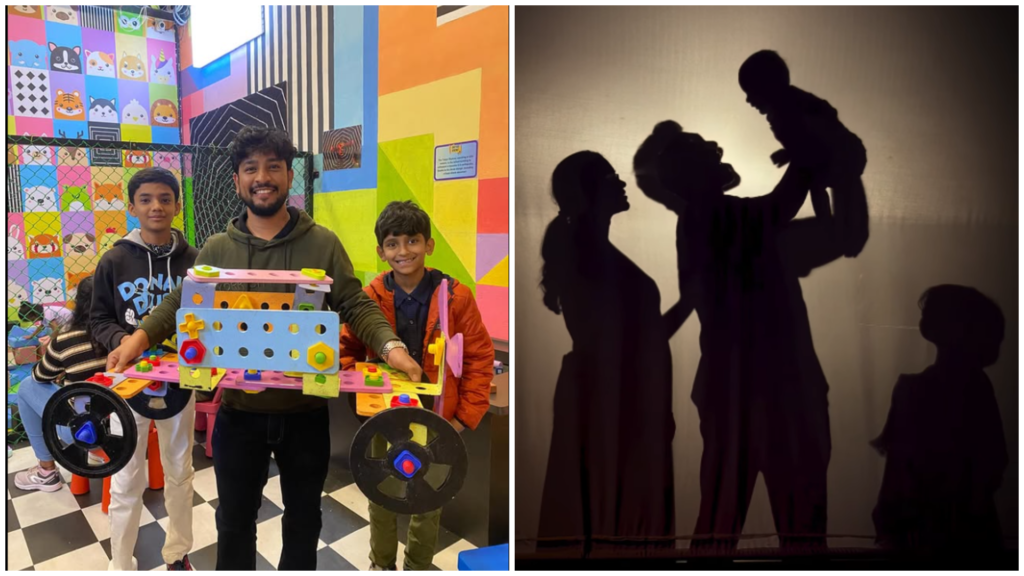
The future of activities for kids isn’t about choosing between play and education – it’s about combining them through educational learning games. These immersive experiences make learning natural, joyful, and enduring.
As one Bangalore teacher said after a MAD Labs visit, “My students didn’t just learn science – they felt it.” That’s the kind of impact traditional classrooms can’t replicate.
So next time you search for activities for kids near me, skip the ordinary. Step into a world where play meets purpose.
Visit MAD Labs inside Snow City, Bangalore – where every laugh leads to learning, and every game sparks discovery.
FAQs
| 1. What are the best activities for kids that combine fun and learning? The best activities are those that balance play with purpose – such as science-based zones, logic puzzles, or creative exploration labs. At MAD Labs, every interactive station is built around educational learning games that make discovery exciting. 2. Are educational learning games suitable for all ages? Yes. These games adapt to different age groups and learning levels. Toddlers can explore sensory experiences, while older kids tackle STEM challenges designed to develop advanced critical thinking. 3. How do educational learning games help improve learning outcomes? They use immediate feedback, hands-on engagement, and curiosity-driven tasks to enhance memory retention. Studies show children learn up to 75% more through play-based, experiential learning compared to passive lessons. 4. Do these activities require screen time? No. MAD Labs focuses on physical, screen-free educational learning games where kids interact with real-world materials, experiments, and puzzles rather than digital devices. 5. What makes MAD Labs a unique destination for kids in Bangalore? MAD Labs combines science, creativity, and exploration in a weather-proof indoor environment. Each visit blends entertainment with education, making it one of the most enriching activities for kids in Bangalore. |