
Redesigning Field Trips: How Educational Learning Games Create Deeper Learning
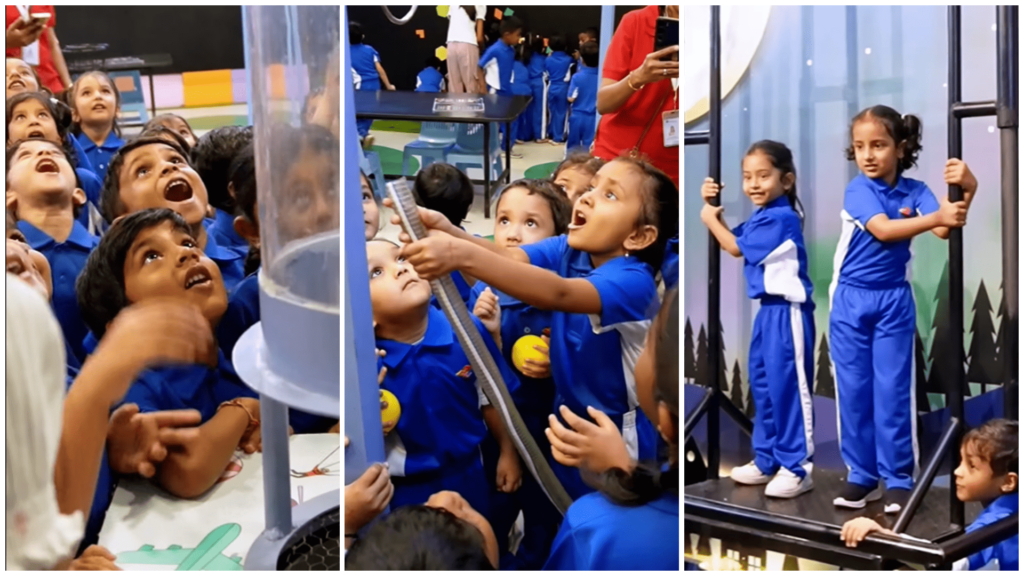
The New School Imperative: Turning Field Trips into Measurable Learning Experiences
Every academic year, schools invest time, budgets, and logistics into planning field trips. The buses arrive, students explore, and for a day, learning feels alive. Yet when administrators review outcomes, the return often falls short — the excitement fades quickly, and measurable learning retention is limited.
This gap is now driving a fundamental shift in how forward-thinking schools view field experiences. The traditional field trip — long valued for exposure and engagement — is evolving into a measurable, curriculum-aligned, ROI-positive learning investment through educational learning games.
At the intersection of field trips and game-based learning, educators are finding a way to merge curiosity, cognitive engagement, and performance improvement. When designed around educational learning games, field trips move from being one-day diversions to structured experiences that strengthen outcomes teachers can quantify and school leaders can report.
Why Traditional Field Trips Underperform
Most schools view field trips as enrichment — a break from routine. Yet research reveals the paradox: while student enjoyment peaks, retention plummets. Studies show only 10–15% of factual information from traditional field trips is remembered a month later.
The reasons are clear:
- Passive Observation: Students absorb content without applying it.
- Uniform Pacing: Faster learners disengage; slower learners struggle.
- Lack of Challenge: Without problem-solving, the brain doesn’t encode the experience deeply.
- No Immediate Feedback: Students rarely know if their understanding is correct in real time.
From an institutional perspective, that translates to low ROI — time and resources invested, with minimal long-term academic value.
The solution? Replace passive observation with hands-on educational learning games that transform field trips into active discovery missions.
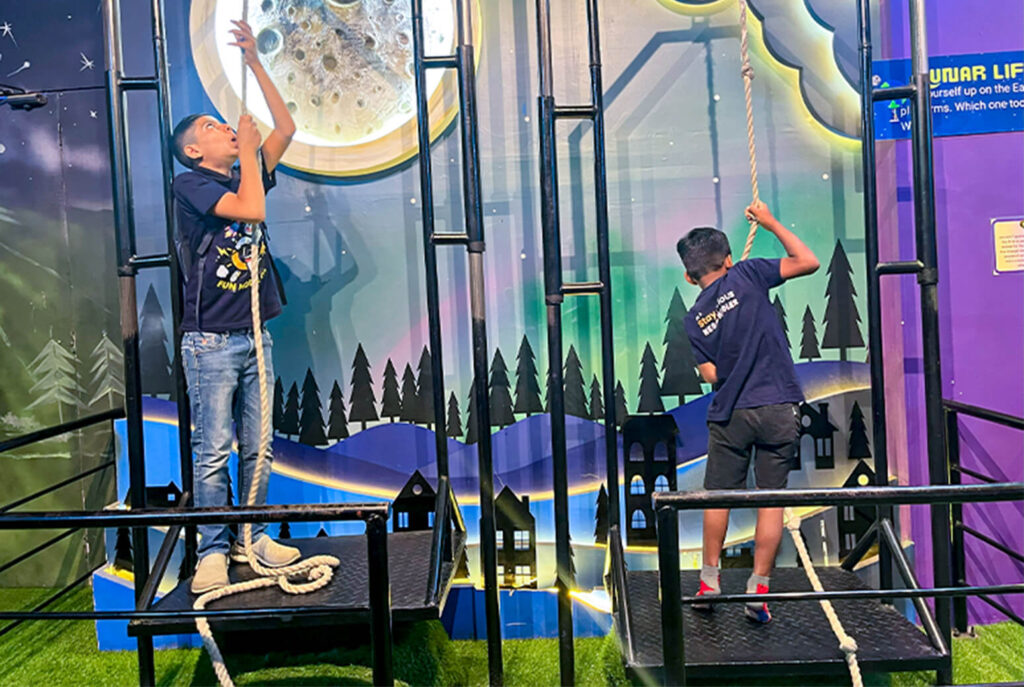
The Science Behind Educational Learning Games in Field Trips
Neuroscience confirms what educators observe daily: the brain learns best through doing. Educational learning games capitalize on this by embedding feedback, challenge, and intrinsic motivation into every activity.
When integrated into field trips, this approach triggers:
- Active Learning Pathways: Students engage multiple brain regions (motor, sensory, cognitive).
- Dopamine Response: The reward cycle of progress boosts motivation.
- Memory Encoding: Immediate application strengthens retention up to 70–80%.
- Collaboration: Game-based frameworks naturally encourage teamwork and communication.
A 2023 Harvard Education Review study found that students on field trips using game-based challenges retained more content and demonstrated higher critical thinking in post-trip assessments.
For decision-makers, this means quantifiable academic outcomes that justify budget allocation — transforming a discretionary expense into a proven pedagogical investment.
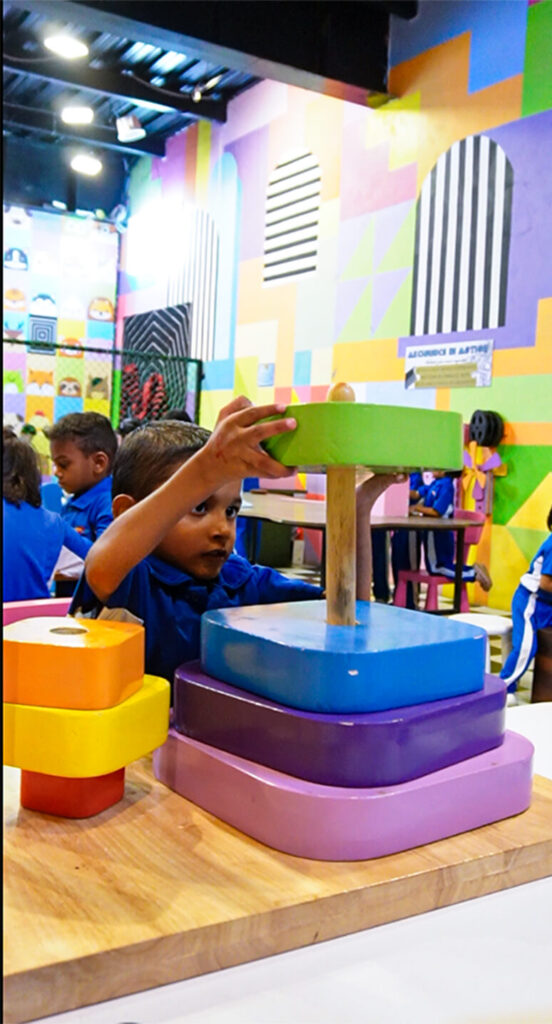
How Educational Learning Games Transform Field Trips
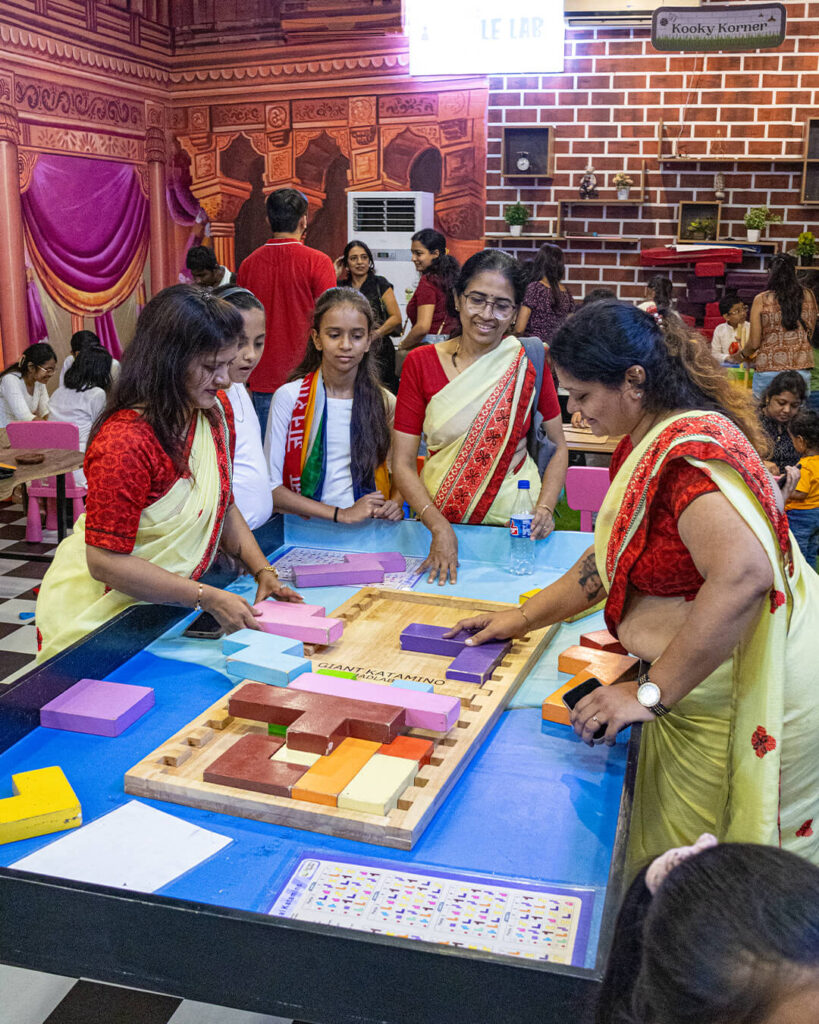
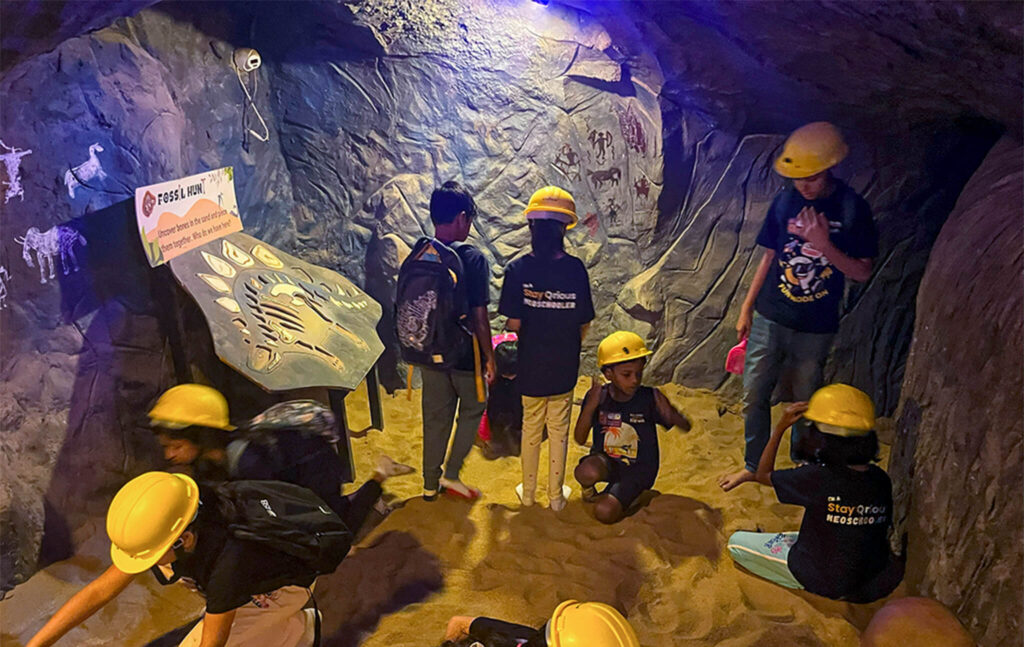
At innovative venues like MAD Labs Bangalore, field trips have been redefined. Instead of passive museum-style tours, students become active participants in hands-on discovery zones designed around STEM-aligned educational learning games.
Traditional Model:
Students listen to guides, observe demonstrations, and complete post-trip worksheets.
Game-Based Field Trip Model:
Students enter zones like Hydro Lab or Space Lab, solve physics-based puzzles, and get instant feedback — “Your circuit works!” or “Your air pressure is balanced!” The process converts curiosity into comprehension.
This experiential design yields:
- Higher Engagement: Students stay focused longer, driven by intrinsic motivation.
- Improved Retention: Learners recall not only the experience but the concept behind it.
- Stronger Teacher Insights: Educators observe real-time problem-solving and collaboration.
For example, during a MAD Labs visit, teachers reported that “students weren’t memorizing — they were experimenting like scientists.”
The outcome? Transferable understanding. Students who learned hydraulics through play could later explain pressure equations in class — demonstrating authentic comprehension.
Institutional ROI: The Case for Game-Based Field Trips
When evaluating field trips, school leaders often measure ROI through three lenses — engagement, academic outcomes, and brand value.
1. Academic ROI
Educational learning games deliver measurable gains in comprehension and retention. Schools integrating game-based field trips report:
- improvement in post-trip science and math performance
- increase in students connecting field trip topics to classroom lessons
- increase in project-based learning participation after the visit
2. Engagement ROI
Unlike traditional excursions where excitement peaks early and fades, structured educational learning games sustain curiosity. Students remain motivated for the duration — and continue discussing discoveries long after returning.
3. Institutional Brand ROI
Schools offering experiential, research-backed field trips differentiate themselves as innovation-driven learning institutions. Parents perceive higher educational value, directly influencing admissions and retention.
When a school chooses MAD Labs Bangalore for its field trip partner, it signals commitment to 21st-century learning — blending entertainment with neuroscience-based pedagogy.
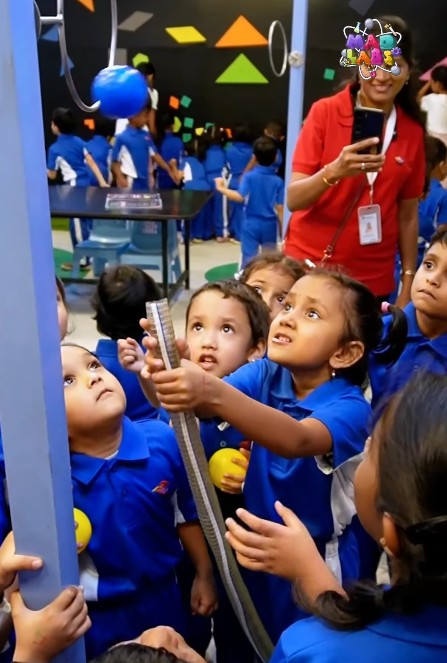
Designing Field Trips Around Educational Learning Games: A Framework for Decision-Makers
For schools ready to upgrade field experiences, success begins with strategy. Here’s a framework for designing effective field trips that integrate educational learning games seamlessly into curriculum objectives.
Step 1: Define Learning Outcomes
Start with intent. Identify the skills or knowledge areas to reinforce — whether it’s force and motion, collaborative problem-solving, or critical thinking.
Step 2: Choose Game-Based Venues
Seek destinations that offer:
- Interactive problem-solving environments (not static exhibits)
- Multi-level challenges suited for varied abilities
- Clear connections to curriculum standards
- Facilitators trained in experiential education
Step 3: Pre-Trip Orientation
Brief students on the goal. Frame it as a “STEM challenge” or “discovery quest” rather than a sightseeing visit. Provide a simple challenge sheet to promote active observation.
Step 4: Active Learning During Trip
Encourage inquiry-led exploration. Teachers act as observers and guides, prompting reflection with questions like “What are you testing?” or “How do you know that’s working?”
Step 5: Post-Trip Reflection and Measurement
Follow up with creative projects or group debriefs that link discoveries back to classroom learning. Use rubrics that measure curiosity, collaboration, and comprehension — not just memory recall.
This structure ensures that field trips become integral parts of the learning cycle rather than one-off excursions.
Voices from the Field: What Schools Are Reporting
Principals:
“Integrating educational learning games into our field trips gave us a measurable impact on student curiosity and participation. We now treat these experiences as part of our STEM curriculum — not just extracurricular.”
Teachers:
“The difference is clear — our students come back from MAD Labs talking about concepts, not just memories. They’re explaining what they discovered, not what they saw.”
Parents:
“My child could explain water pressure after playing at Hydro Lab. It’s rare to see such excitement about science!”
These results make a compelling case for decision-makers balancing limited budgets with maximum learning return.
Overcoming Common Objections
“Isn’t this more expensive?”
Not necessarily. Game-based field trips provide multi-outcome ROI — enhancing STEM, creativity, and teamwork simultaneously. Cost per learning outcome achieved is actually lower than traditional excursions.
“Will it require more teacher training?”
Venues like MAD Labs provide structured facilitation, minimizing teacher workload. Teachers guide reflection rather than instruction.
“What about weather or logistics?”
Indoor, climate-controlled setups eliminate cancellations and scheduling challenges, ensuring consistent execution.
“How do we measure success?”
Field trip success is evaluated via pre- and post-assessments, reflective journals, and classroom application of concepts learned — all easily integrated into school reporting systems.
The Future of Experiential Education
The education landscape is shifting from informational learning to transformational learning — experiences that change how students think, not just what they know.
As schools compete to deliver 21st-century skills — creativity, problem-solving, adaptability — field trips must evolve accordingly. Those incorporating educational learning games are emerging as the gold standard, blending measurable academic gains with holistic student development.
In 2025 and beyond, field trips will no longer be extracurricular luxuries — they’ll be strategic investments in immersive, curriculum-aligned education.
And at venues like MAD Labs Bangalore, the future is already here.
Because when learning feels like play, students don’t just remember the experience — they remember the lesson.
FAQs
| 1. Why should schools redesign traditional field trips? Traditional field trips focus more on sightseeing than structured learning. Redesigning them with educational learning games transforms passive observation into measurable learning outcomes that align with curriculum goals. 2. How do educational learning games enhance student engagement during field trips? They provide hands-on challenges, instant feedback, and problem-solving opportunities—keeping students mentally and emotionally engaged while reinforcing classroom concepts through real-world experiences. 3. What measurable benefits do schools see from game-based field trips? Schools report higher post-trip performance in STEM subjects, improved collaboration, and greater curiosity-driven learning compared to traditional field trips. 4. Are field trips with educational learning games suitable for all age groups? Yes. Activities can be tailored for primary, middle, and high school levels. Venues like MAD Labs Bangalore offer scalable challenges suited to each age and curriculum stage. 5. How can schools assess the success of a game-based field trip? Through pre- and post-trip assessments, reflective journals, and classroom discussions that track how well students transfer their field discoveries into classroom understanding. 6. What makes MAD Labs an ideal destination for educational field trips? MAD Labs offers interactive, curriculum-aligned STEM learning zones that combine science, creativity, and play. It’s an indoor, weather-proof venue built to deliver measurable educational outcomes while keeping students fully engaged. |