
Educational Learning Games for Kids: Do They Really Improve Learning Outcomes?
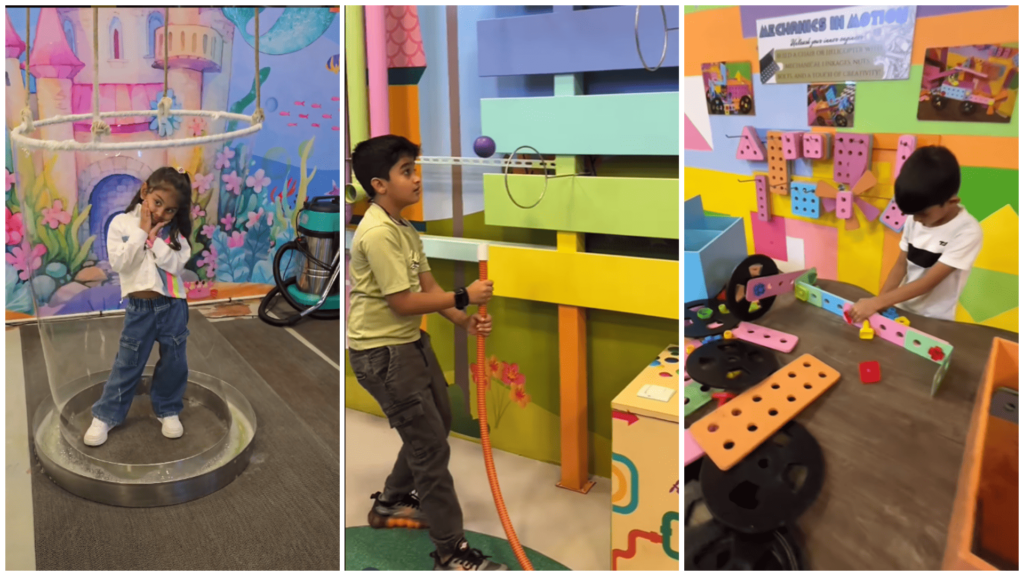
The Science Behind Joy and Learning
Why do kids remember a game better than what they learned in textbooks? Neuroscience may have the answer. Educational learning games activate multiple brain regions at once, engaging emotion, decision-making, and reward pathways. That combination creates stronger memory traces, higher motivation, and better retention. In essence, educational learning games align learning with how the brain naturally works – through play, curiosity, and feedback.
It might sound too good to be true – that something so fun can also be deeply educational. But as modern research reveals, the future of learning is not about forcing focus; it’s about creating environments that make focus effortless. That’s exactly what educational learning games do. They blend joy with learning, turning curiosity into cognition.
This article explores the science, psychology, and real-world impact of game-based learning, and how venues like MAD Labs in Bangalore are making education feel more like exploration.
The Brain Prefers Games: What Neuroscience Reveals
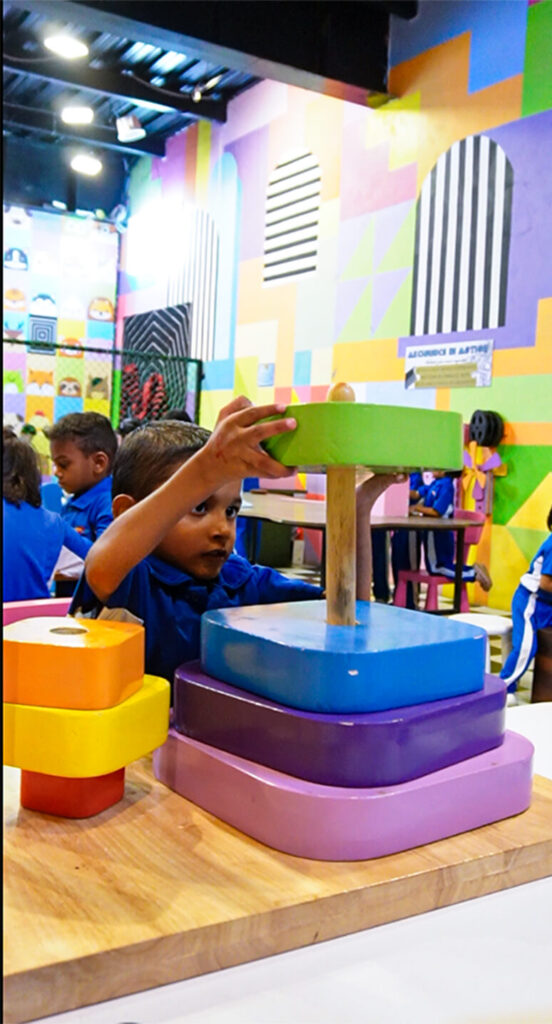
When kids play, their brains light up – literally. Neuroimaging studies show that game-based tasks activate the hippocampus (memory), amygdala (emotion), and prefrontal cortex (decision-making). Unlike rote memorization, game-based learning involves emotional and sensory engagement, which enhances knowledge retention.
Every time a child solves a challenge or earns a reward, the brain releases dopamine – the neurotransmitter linked to motivation. That “hit” of accomplishment encourages them to keep learning. Educational learning games don’t trick the brain into learning; they cooperate with its natural systems.
Research suggests that students who learn through interactive activities retain up to 75% more information than through lectures. Engagement is not just higher – it lasts longer. The key lies in active learning and experiential education, not passive instruction.
Beyond Entertainment: What Makes a Game Truly Educational
Not all games qualify as educational learning games. What separates the good from the gimmicky are design principles grounded in learning science:
- Clear Learning Objectives: The game builds specific skills, from problem-solving to critical thinking.
- Progressive Difficulty: Challenges adapt to the learner’s pace, ensuring engagement without frustration.
- Immediate Feedback: Players instantly know what works, reinforcing concepts faster.
- Mastery-Based Progression: Learners advance only when they truly grasp a concept.
- Multi-Sensory Design: Incorporating sight, sound, and touch enhances cognitive development.
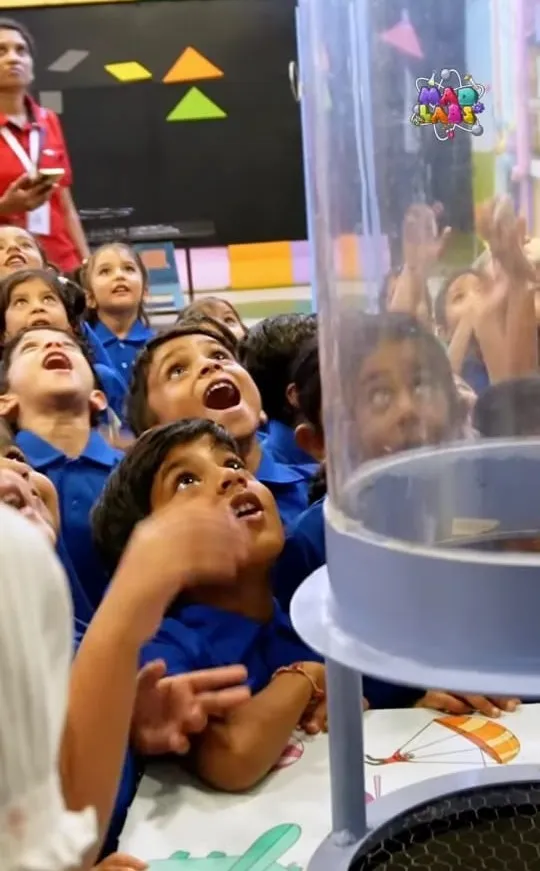
At MAD Labs, every activity follows this blueprint. Whether it’s lighting up shadows in Loony Lights or solving water-flow puzzles in Hydro Lab, students experience learning through play. Each activity gives instant feedback and adapts to various learning styles, turning fun into lasting understanding.
What the Research Shows
Evidence for educational learning games continues to mount:
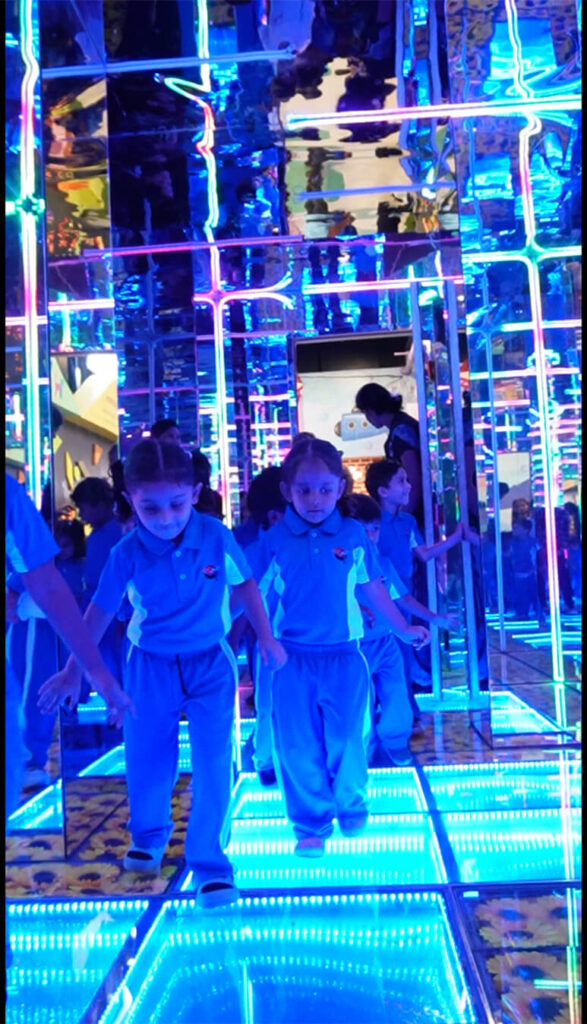
A study of middle schoolers learning physics through hands-on educational learning games found 50% higher test scores than peers using textbooks. Why? Because multi-sensory engagement built deeper neural connections. Another analysis revealed that students using interactive learning games displayed greater persistence in solving problems, even beyond the classroom.
Teachers report that students involved in gamified learning ask better questions, explore multiple solutions, and exhibit improved critical thinking development. They also demonstrate stronger social-emotional learning, since many collaborative learning environments involve teamwork.
In short, when education feels like exploration, engagement follows naturally. This is why experiential education works – it mirrors how humans evolved to learn.
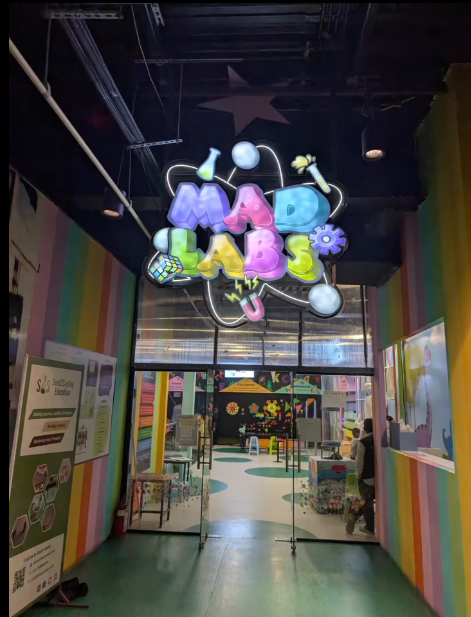
MAD Labs: Where Games Meet Discovery
Theory becomes reality at MAD Labs, Bangalore’s most engaging science-themed play space. For school groups, the center doubles as a live example of STEM educational learning games in action.
Students begin their day thinking it’s all play. Within minutes, they’re engineering air systems in Air Lab, cracking visual riddles in Puzzle Lab, and balancing teamwork with logic in Wobble Lab. Every activity offers hands-on learning, instant feedback, and challenge-based mastery – the same framework seen in top-tier game-based learning platforms.
The result? Kids forget they’re in a learning environment. But teachers notice the shift – formerly passive learners become curious, self-driven explorers. They return to class with stronger problem-solving skills and a sense of accomplishment that textbooks rarely evoke.
The Psychology of Play: Why It Works
Educational learning games succeed because they align with core behavioral principles:
- Intrinsic Motivation: Kids feel autonomous and competent, driving self-directed learning.
- Immediate Rewards: Dopamine reinforces success, turning effort into enjoyment.
- Psychological Safety: Mistakes aren’t punished; they become learning opportunities.
- Social Belonging: Multiplayer and collaborative activities build empathy and communication.
Traditional instruction asks students to sit still and absorb. Game-based education invites them to move, question, and engage. That shift – from compliance to curiosity – is where true learning begins.
Addressing the Screen-Time Myth
Many parents worry: aren’t these just games? The truth is, educational learning games differ vastly from entertainment gaming. At MAD Labs, most zones are screen-free and fully physical, blending STEM discovery with play. Kids learn by manipulating real-world materials, not pixels.
Research distinguishes between passive consumption and active engagement. Only the latter enhances cognitive development. The key is interaction – not screens, but strategy, experimentation, and discovery.

The Future of Learning
Educational learning games aren’t replacing traditional classrooms – they’re enhancing them. They turn learning into something active, memorable, and meaningful. When children play to learn, they don’t just recall facts – they understand systems.
For parents and teachers alike, the takeaway is clear: Choose educational learning games that engage curiosity, build skills, and adapt to learners’ needs. And if you’re in Bangalore, experience it firsthand.
Visit MAD Labs inside Snow City to see how the science of play transforms education into discovery.
FAQs
| 1. What age group benefits most from educational learning games? Educational learning games are effective for children of all ages, from preschoolers to high schoolers, as they can be adapted to different cognitive levels and subjects. 2. Are educational learning games just digital or online? Not necessarily. At MAD Labs Bangalore, most educational learning games are hands-on, screen-free activities that promote active engagement and real-world problem-solving. 3. How do educational learning games improve academic performance? They enhance memory retention, encourage critical thinking, and promote deeper understanding through immediate feedback and experiential learning. 4. What subjects do educational learning games cover? MAD Labs’ activities cover STEM-based concepts including science, technology, engineering, and math, blending fun with curriculum-aligned learning. 5. Are educational learning games suitable for school field trips? Yes! Schools regularly organize visits to MAD Labs for immersive STEM-based experiences that combine play, teamwork, and education. 6. How can parents encourage learning through games at home? Parents can introduce board games, puzzles, and interactive STEM kits that spark curiosity and support skill-building in a playful environment. |